

A rapid WordPress security investigation and remediation project focused on diagnosing a large-scale spam attack targeting WordPress contact forms and comment systems. Through forensic analysis and targeted hardening, the attack was contained and the website fully secured within one day.
Root cause identified through server-level analysis
Contact forms and comment systems secured
High-risk endpoints and vulnerabilities closed
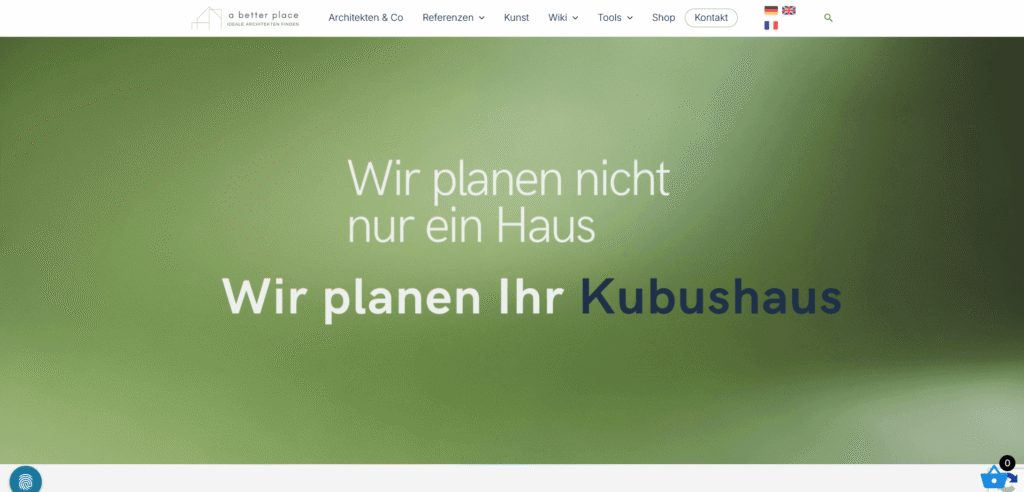
A Better Place
a-better-place.de
Germany
WebGo
s320.goserver.host (Debian Linux)
1 Day
Security Investigation, Spam Mitigation, WordPress Hardening, Server Protection
SSH, SFTP, Database Access, Code Analysis
WordPress
reCaptcha
Honeypot
Spam protection
Let’s discuss how we can deliver the same results for your business.
The website owner reported receiving more than 200 emails within 30 minutes, triggered by contact form submissions and comment notifications.
At the same time, a large number of spam comments began appearing across the website.
Because such behavior can often indicate malware, site compromise, or automated bot attacks, a full forensic security investigation was initiated.
Massive Spam Comment Activity
A database review revealed:
3,798 pending spam comments stored in the WordPress database.
Each comment triggered admin notification emails, which explained the sudden flood of messages in the site owner’s inbox.
Unprotected Contact Forms
The site had 16 active Contact Form 7 forms configured without any spam protection:
This allowed automated bots to submit large volumes of spam requests.
Tor Network Bot Traffic
Log analysis revealed that the majority of automated requests originated from the 185.220.x.x IP range, which belongs to Tor exit node infrastructure frequently used by automated spam systems.
Brute Force Login Attempts
Security logs also showed that:
wp-login.php received 1,930 login attempts in a single day, indicating active brute force probing.
XML-RPC Endpoint Exposure
The WordPress endpoint:
xmlrpc.php
was publicly accessible and actively being probed by bots.
Dangerous File Exposure
An adminer.php file was found exposed in the web root, which could allow direct database access if exploited.
This posed a significant security risk and required immediate removal.
High-Risk Plugin Installed
The wp-file-manager plugin was active on the site.
This plugin has been associated with multiple historical vulnerabilities, including remote code execution in previous CVEs.
Legitimate Files Confirmed
During investigation, two suspicious-looking files were verified as legitimate:
bv_connector
This file was confirmed as the official connector used by the MalCare / BlogVault backup system.
wp-load.php random parameter traffic
This activity was confirmed as MalCare backup operations running from Hetzner infrastructure, not malicious traffic.
A deep investigation was performed using multiple layers of access and analysis tools:
The investigation confirmed that the issue was not caused by malware or a hacked website, but by automated bots exploiting unprotected forms and comments.
A complete remediation plan was implemented immediately to eliminate spam activity and harden the website.
Using SSH database access:
This immediately stopped the flood of notification emails.
WordPress discussion settings were updated to prevent inbox flooding:
All Contact Form 7 forms were secured by adding two layers of protection:
hCaptcha
Prevents automated bots from submitting forms.
Honeypot Fields
Invisible form fields used to trap automated spam bots.
These protections now stop automated spam submissions before they reach the server.
Comment system protections were strengthened:
Additional server-level protections were implemented.
Tor Network IP Blocking
The following high-risk ranges were blocked via .htaccess:
The endpoint:
xmlrpc.php
was completely blocked via .htaccess to prevent automated attacks.
The exposed file:
adminer.php
was permanently removed from the server to eliminate potential database access risks.
Full forensic analysis of server, database, and application activity.
Database cleanup and bot attack containment.
CAPTCHA and honeypot protection implemented across all forms.
Improved comment moderation and notification settings.
Blocking Tor nodes and disabling risky endpoints.
The spam attack was fully mitigated within 10 hours.
3,798 spam comments removed and bot submissions blocked.
Notification settings adjusted to prevent excessive email alerts.
All contact forms now use CAPTCHA and honeypot protections.
XML-RPC disabled and risky files removed.
Server and application configurations now provide significantly stronger protection against automated attacks.
Spam Flood Eliminated
Inbox Flood Stopped
Forms Fully Protected
Attack Surface Reduced
Website Security Strengthened
Security investigation initiated, Database analyzed via SSH, Spam comments removed, Contact forms secured with CAPTCHA and honeypots, Comment system hardened, Tor IP ranges blocked, XML-RPC disabled, Adminer file removed
Let’s discuss your project, timeline, and goals. No obligations — just a clear conversation about what’s possible.
Tell us about your project and we'll get back to you within 24 hours.
"*" indicates required fields