
A rapid security investigation and remediation project focused on diagnosing a large-scale spam attack affecting WordPress comments, WooCommerce product reviews, and contact form submissions.
Over 1,300 spam comments removed
CAPTCHA and anti-spam systems implemented
Server protections added to prevent future abuse
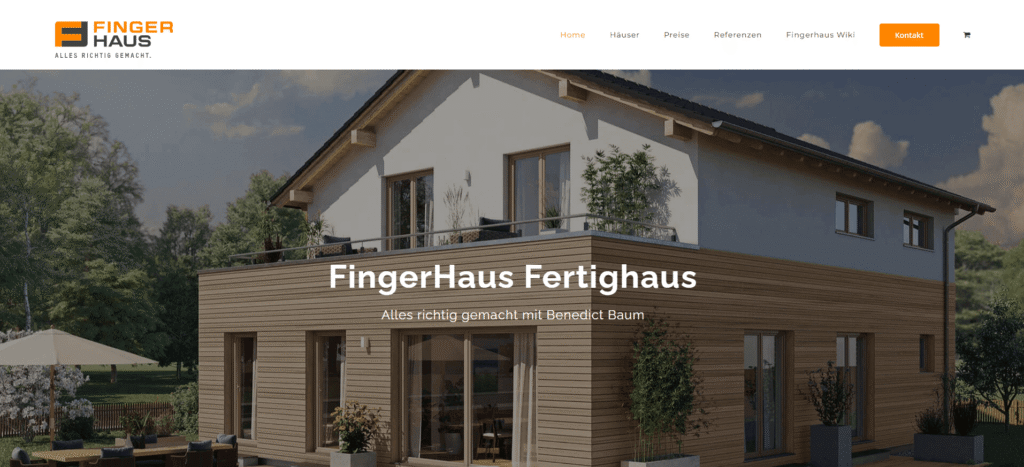
Fingerhaus Spezialist
fingerhaus-spezialist.de
1 Day
WordPress Security Investigation, Spam Cleanup, Comment System Hardening, Bot Protection
WordPress Admin, phpMyAdmin database access
WordPress
phpMyAdmin
MySQL Database
Spam Protection
reCAPTCHA
Antispam Bee
Let’s discuss how we can deliver the same results for your business.
The website owner reported receiving frequent spam emails from contact form submissions along with a growing number of spam comments appearing on the website.
Because this type of behavior can sometimes indicate malware infection or unauthorized access, a full security investigation was conducted to determine the source of the activity.
Investigation Findings
Long-Term Undetected Spam Activity
Database analysis revealed 1,309 pending spam comments stored in the WordPress database.
Many of these comments dated back to July 2025, meaning the spam activity had been accumulating undetected for nearly 8 months.
WooCommerce Product Review Spam
Additional spam content was discovered under:
Products → Reviews
Bots were posting spam product reviews separate from the normal WordPress comment system.
Affiliate Marketing Spam Bots
All spam comments were generated by affiliate marketing bots, primarily promoting:
These bots automatically post large volumes of comments to generate backlinks.
Most Targeted Page
The majority of spam targeted the default WordPress post:
Hello World
This single page contained 754 spam comments alone.
Default posts often become spam targets because they remain publicly accessible on many WordPress sites.
Most Targeted Page
The majority of spam targeted the default WordPress post:
Hello World
This single page contained 754 spam comments alone.
Default posts often become spam targets because they remain publicly accessible on many WordPress sites.
Attacker IPs Identified
Several IP addresses were responsible for repeated spam activity, including:
These IPs were responsible for repeated automated spam attempts.
Security Verification Checks
A full security inspection was performed to ensure the website had not been compromised.
Database Inspection
The options table was scanned for signs of injected malicious code such as:
No malicious entries were found.
Administrator Account Audit
All WordPress administrator accounts were reviewed.
No rogue admin users or unauthorized accounts were present.
Plugin Review
All active plugins were examined and verified as legitimate and expected.
No vulnerable or suspicious plugins were detected.
Theme File Inspection
Theme files were inspected for injected PHP code.
No malicious code or hidden scripts were found.
Full Site Scan
The investigation confirmed that the website had not been hacked.
The issue was purely caused by automated spam bots exploiting unprotected forms and comments.
Once the root cause was confirmed, a structured remediation plan was implemented.
Using phpMyAdmin database access:
This eliminated the accumulated spam content across the site.
Comment-related transients and expired transients were removed from the WordPress options table to clean unnecessary data generated by spam activity.
WordPress discussion settings were updated to prevent automated spam comments.
New protections include:
Spam notifications significantly reduced
The Antispam Bee plugin was installed and activated.
This plugin automatically detects and silently blocks common bot patterns before they reach the comment system.
Spam protection was added to all Contact Form 7 forms using Google reCAPTCHA.
This prevents automated bots from submitting form requests.
Known spam IP addresses were blocked at the server level to prevent repeat attacks.
The WordPress endpoint:
xmlrpc.php
was blocked via .htaccess to reduce the risk of automated attacks and brute force activity.
Comprehensive analysis of WordPress database, plugins, and theme files.
Removal of over 1,300 spam comments and WooCommerce review spam.
Improved moderation rules to prevent automated spam.
CAPTCHA protection implemented across all forms.
IP blocking and XML-RPC restrictions added.
The spam attack was fully resolved within one day.
Over 1,300 spam comments and review spam removed from the database.
All forms now include CAPTCHA protection to stop automated submissions.
Known offending IPs blocked at the server level.
Full investigation confirmed the website was never compromised.
Spam Eliminated
Contact Forms Secured
Attack Sources Blocked
Website Security Verified
Security investigation initiated, Database reviewed via phpMyAdmin, Spam comments and review spam removed, Comment system hardened, Antispam Bee installed, CAPTCHA added to forms, Offending IPs blocked, XML-RPC disabled
Let’s discuss your project, timeline, and goals. No obligations — just a clear conversation about what’s possible.
Tell us about your project and we'll get back to you within 24 hours.
"*" indicates required fields